

The noise levels of a Vacuum Induction Furnace during operation are an important consideration for both operators and those in the surrounding environment. As a supplier of [link to product]Vacuum Induction Furnaces[/link], I understand the significance of this aspect and am here to provide you with a detailed analysis.
Understanding the Basics of a Vacuum Induction Furnace
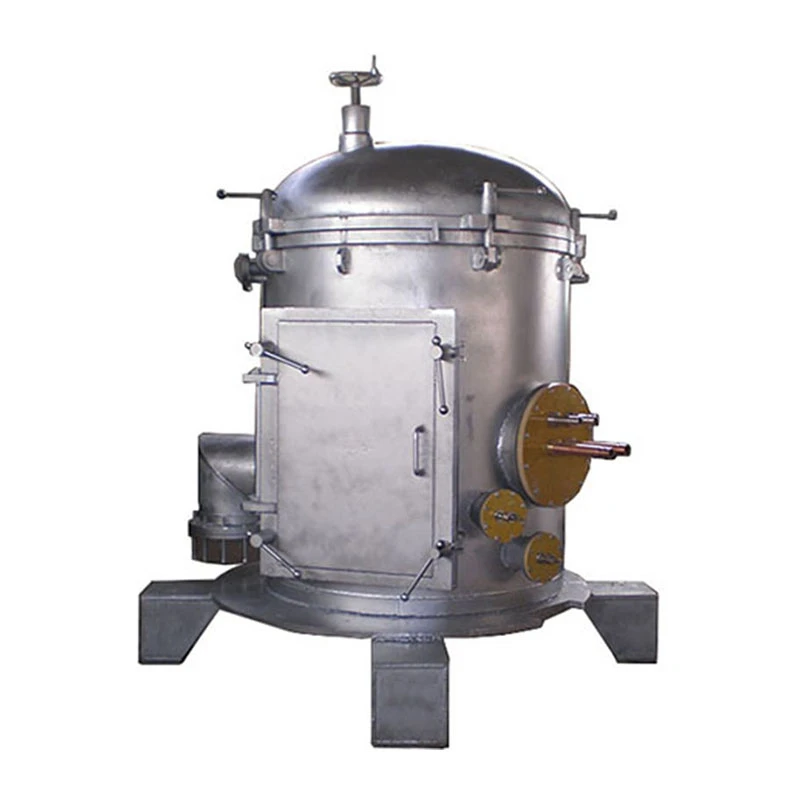
A Vacuum Induction Furnace is a specialized piece of equipment used in the metalworking industry for melting and refining metals under a vacuum. The principle behind its operation involves the use of electromagnetic induction. An alternating current is passed through a coil, creating a magnetic field. This magnetic field then induces an electric current in the metal charge placed within the furnace, generating heat and ultimately melting the metal.
The [link to product]Industrial Vacuum Furnace[/link] and [link to product]Vacuum Melting Furnace[/link] are closely related concepts. The Industrial Vacuum Furnace is a broader term that encompasses various types of furnaces used in industrial settings, while the Vacuum Melting Furnace specifically refers to furnaces designed for melting metals. The [link to product]Induction Vacuum Melting Furnace[/link] and [link to product]Vacuum Electric Furnace[/link] are also terms that fall under this category, with the former emphasizing the use of induction heating and the latter highlighting the use of electricity as the power source.
Factors Affecting the Noise Levels
The noise generated by a Vacuum Induction Furnace during operation can be attributed to several factors.
1. Electromagnetic Noise
The alternating current in the induction coil creates a magnetic field that causes the coil and other metallic components to vibrate. This vibration results in electromagnetic noise. The frequency of this noise is often related to the frequency of the alternating current. Higher - frequency currents can produce higher - pitched noises, while lower - frequency currents generate deeper sounds. The intensity of the electromagnetic noise depends on the magnitude of the current, the design of the coil, and the materials used in the furnace's construction.
2. Pumping Systems
A Vacuum Induction Furnace requires a pumping system to create and maintain a vacuum inside the furnace chamber. There are different types of pumps used, such as mechanical pumps, diffusion pumps, and turbomolecular pumps. Each of these pumps generates noise during operation. Mechanical pumps, for example, operate with moving parts, and the friction and mechanical vibrations of these parts produce a characteristic noise. The noise level of a pumping system can vary depending on the type, size, and operating conditions of the pumps.
3. Cooling Systems
Cooling is essential for a Vacuum Induction Furnace as the high - temperature operation can cause damage to the components. Cooling systems, which may include water - cooled jackets and fans, generate noise. The flow of water through the cooling pipes can create a gurgling or rushing sound, while the rotation of fans produces aerodynamic noise. The noise level of the cooling system depends on the flow rate of the coolant, the speed of the fans, and the design of the system.
4. Metal Melting and Stirring
During the melting process, the metal experiences various physical changes. The movement of the molten metal, especially when it is being stirred by the electromagnetic fields, can create noise. The splashing and sloshing of the molten metal against the crucible walls contribute to the overall noise level.
Measuring Noise Levels
To measure the noise levels of a Vacuum Induction Furnace, sound level meters are commonly used. These devices can measure the sound pressure level in decibels (dB). The decibel scale is logarithmic, which means that a small increase in dB represents a large increase in the actual sound intensity.
In a typical industrial setting, the background noise level can range from 60 to 70 dB. When a Vacuum Induction Furnace is in operation, the noise levels can vary significantly depending on the factors mentioned above. Under normal operating conditions, the noise level of a Vacuum Induction Furnace can range from 70 to 90 dB. However, in some cases, especially during start - up or when there are issues with the equipment, the noise levels can exceed 90 dB.

Significance of Noise Levels
High noise levels in a work environment are not only a nuisance but also a safety concern. Prolonged exposure to noise levels above 85 dB can cause hearing damage to workers. Therefore, it is crucial for industrial facilities to comply with occupational health and safety regulations regarding noise exposure.
In addition to the health risks, high noise levels can also affect the communication and productivity of workers. In a noisy environment, it can be difficult for workers to hear each other, which can lead to miscommunication and potentially dangerous situations.
Mitigating Noise Levels
As a supplier of Vacuum Induction Furnaces, we are committed to providing solutions to reduce the noise levels of our equipment.
1. Design Improvements
We invest in research and development to optimize the design of our furnaces. This includes using materials with better vibration - damping properties for the induction coil and other components. By reducing the vibration of these parts, we can minimize the electromagnetic noise.
2. Pump Selection and Isolation
We carefully select the pumping systems for our furnaces, choosing models that are known for their low - noise operation. In addition, we use isolation techniques to reduce the transmission of noise from the pumps to the surrounding environment. This may involve installing pump enclosures or using vibration - isolating mounts.
3. Cooling System Optimization
We design our cooling systems to operate as quietly as possible. This may involve using larger fans with lower rotational speeds or improving the layout of the cooling pipes to reduce the turbulence of the coolant flow.
4. Installation Considerations
During the installation of the [link to product]Vacuum Induction Furnace[/link], we also take noise reduction into account. We recommend installing the furnace in a well - insulated room or using sound - absorbing materials in the vicinity to reduce the noise levels in the workplace.
Looking for a Vacuum Induction Furnace?
If you are in the market for a high - quality Vacuum Induction Furnace, you've come to the right place. Our furnaces are designed with the latest technology to ensure efficient and reliable operation while minimizing noise levels. We offer a range of models to meet your specific needs, whether you are a small - scale metalworking shop or a large - scale industrial facility.
We understand that every customer has unique requirements, and we are here to provide you with personalized solutions. Our team of experts can help you select the right furnace for your application and provide you with all the necessary support and guidance.
If you are interested in learning more about our Vacuum Induction Furnaces or would like to discuss a potential purchase, please feel free to reach out. Our sales representatives are ready to assist you and provide you with detailed information and competitive quotes. Don't hesitate to start the conversation and explore how our furnaces can benefit your business.
References
- "Handbook of Vacuum Technology", O'Hanlon J.F., 2003.
- "Industrial Furnaces: Principles, Design, and Operation", Briggs D. and Meikap B.C., 2013.
- "Occupational Noise Exposure: A NIOSH Alert for Protecting Workers", National Institute for Occupational Safety and Health (NIOSH), 2018.