
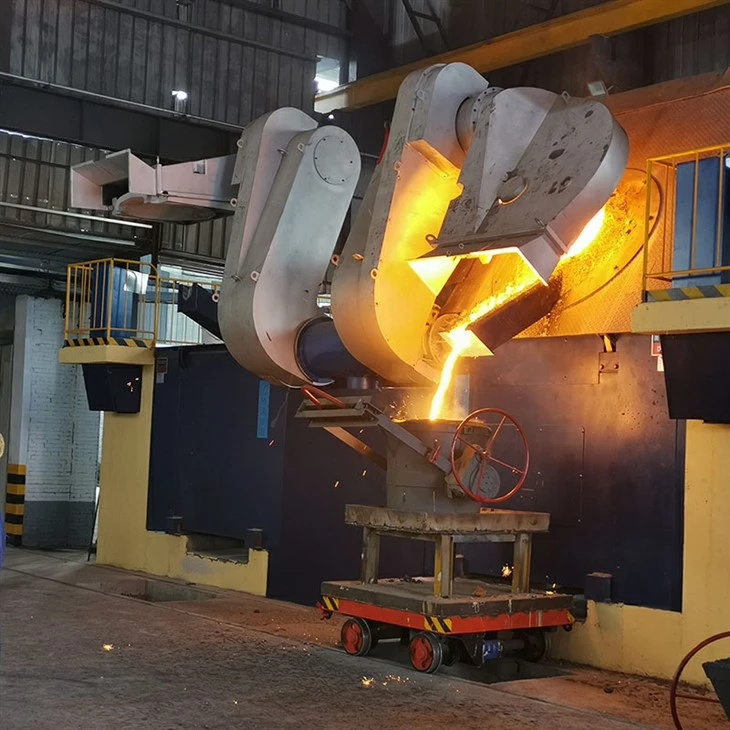

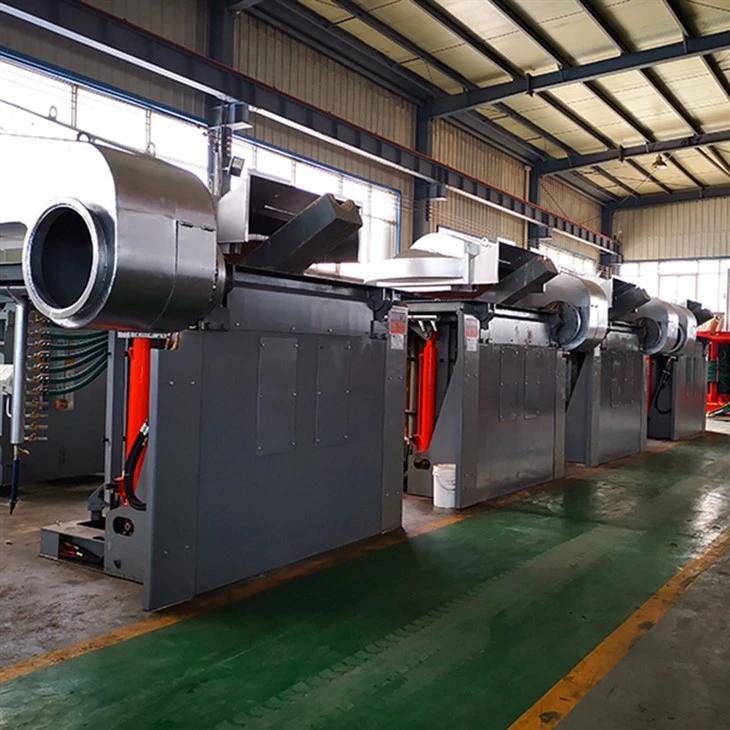
Steel Melting Induction Furnace
Principle: medium-frequency induction heating and melting.
Rated Capacity: 0.5 ton - 60 ton.
Function: melting cast steel / iron
Send Inquiry
Product Details ofSteel Melting Induction Furnace
overview
Steel melting induction furnace is used for steel melting in small-scale steel plants.
It adopts medium-frequency induction heating technology. Coreless induction furnace can achieve a maximum power output of 40 MW to power a 65 tons crucible, supporting a large molten steel production.
Components
The induction melting furnace consists of the following parts:
Furnace body.
Refractory lining.
Coil and yoke.
Tilting frame and furnace lid.
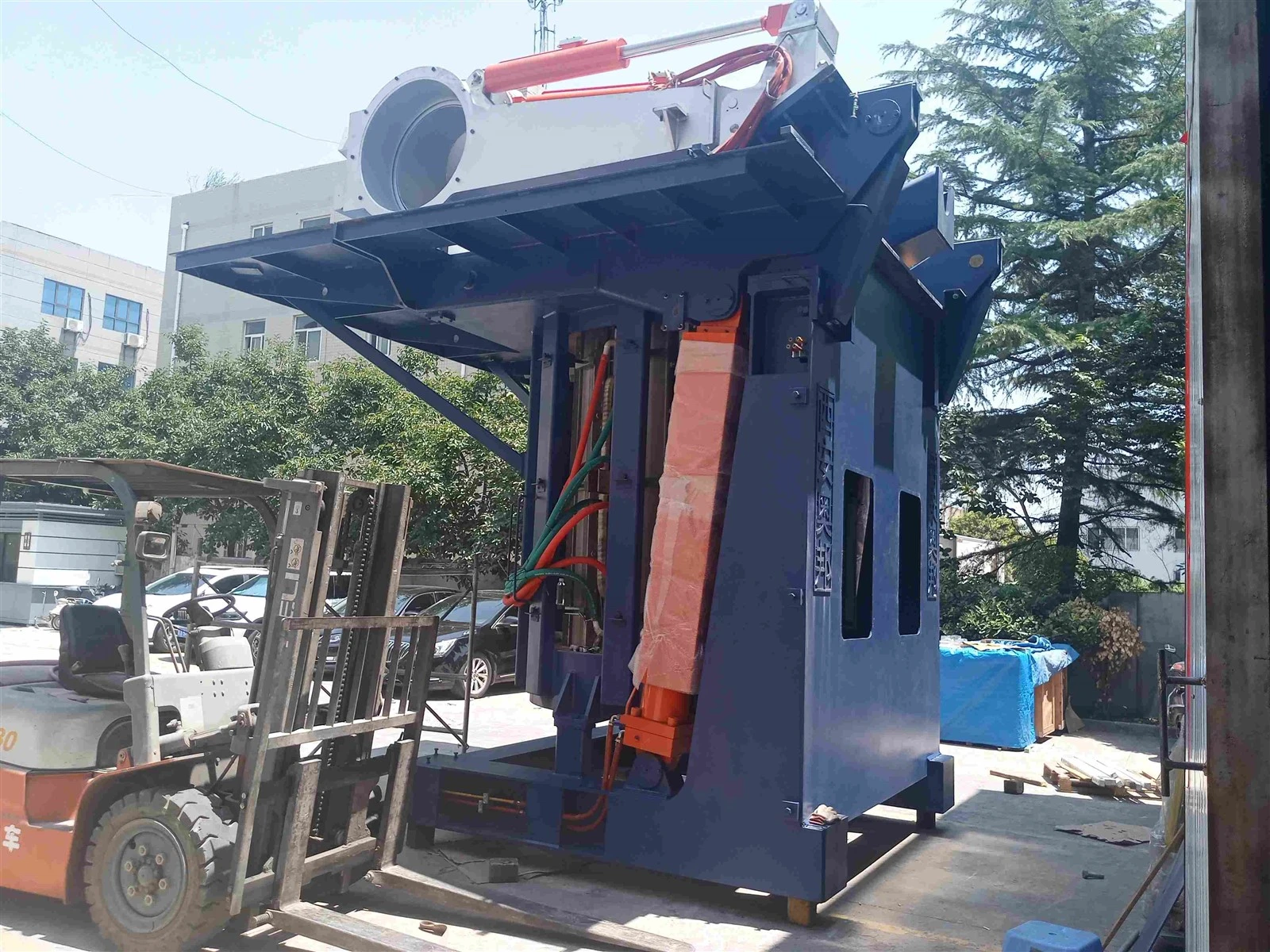
Hydraulic system and emergency tilting.
Power supply.
Connections for mains-frequency and medium-frequency power.
variable-frequency power supply: Parallel and series resonant.
Variable-frequency power supply with IGBT module.
Auxiliary systems include the following devices:
Cooling system.
Charging device.
Dust extraction hood.
Slag removal device.
Process control system.
Components of Steel melting induction furnace
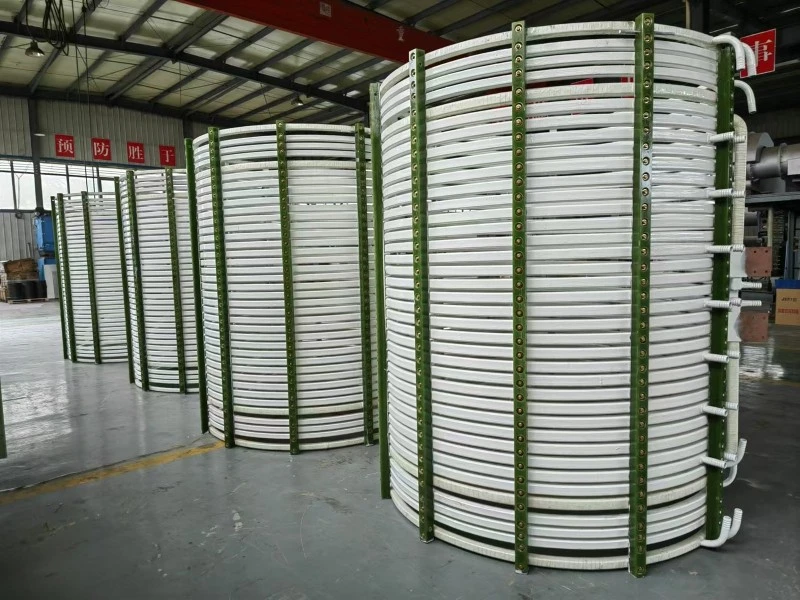
induction coils
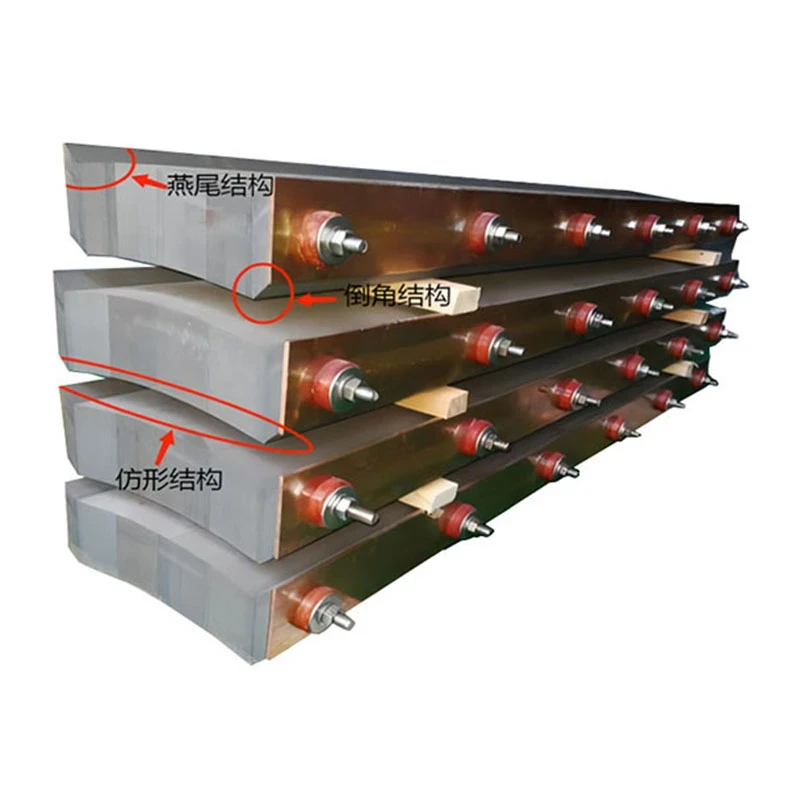
magnet yoke
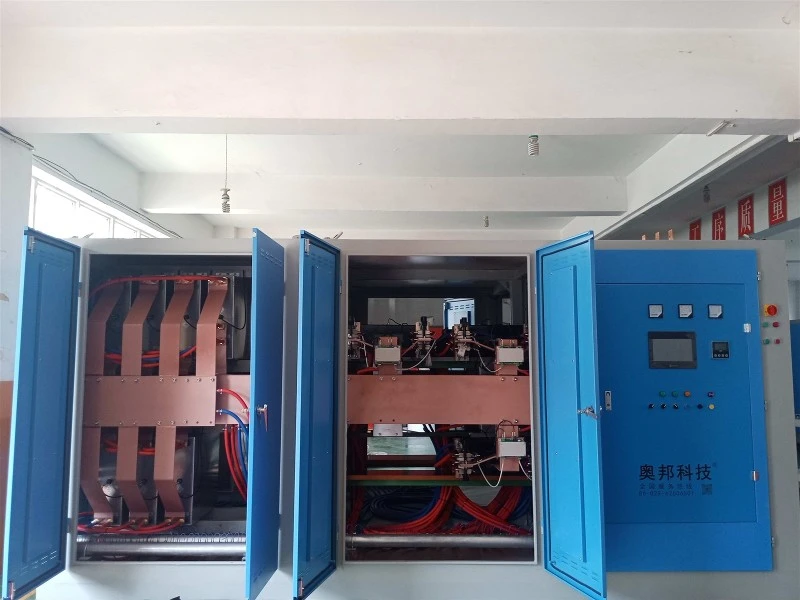
IGBT power supply
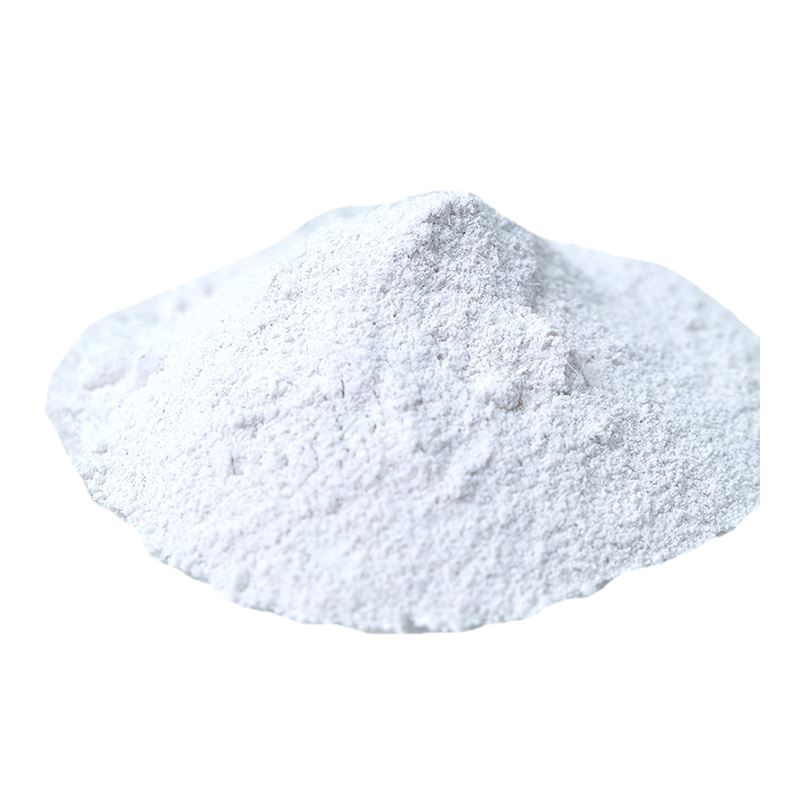
Refractory lining
Dust extraction hood
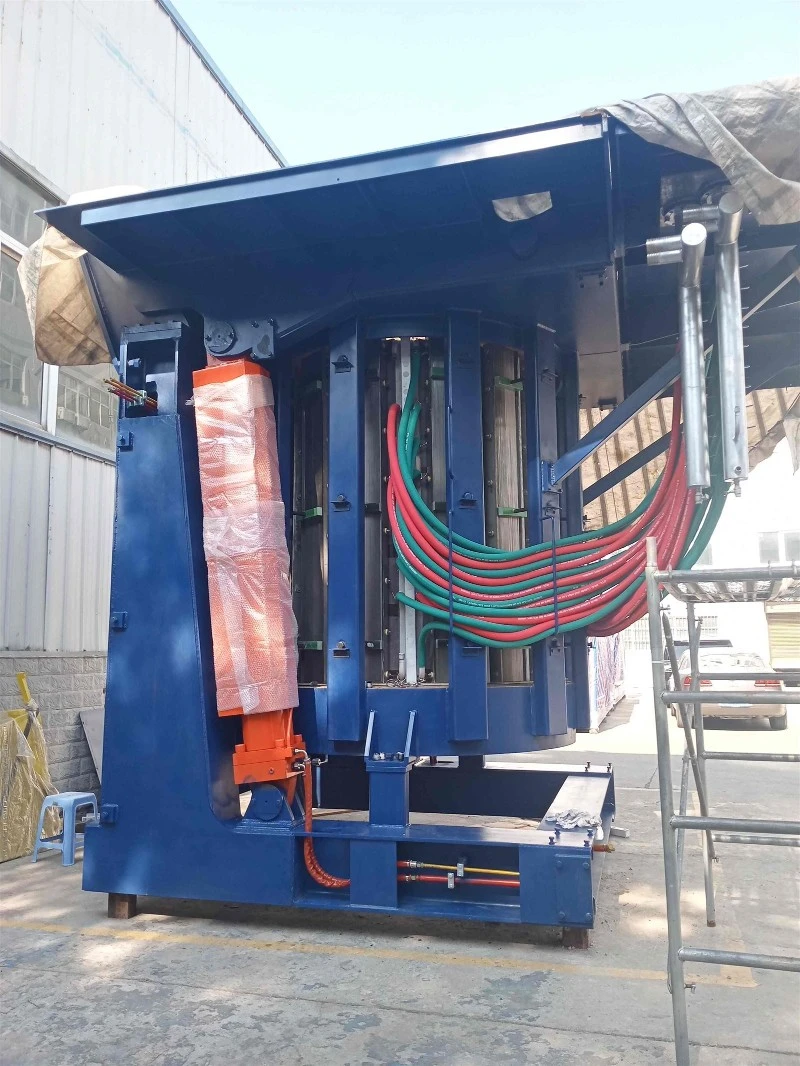
Hydraulic system and tilting device
specifications of medium frequency furnace
|
Rated capacity ( Ton ) |
Rated power (kw) |
|
0.5 ton |
500 |
|
1 ton |
500 |
|
1 ton Induction Melting Furnace |
1000 |
|
1.5 ton |
1000 |
|
2 ton |
1250 |
|
2 ton |
1500 |
|
2 ton |
2000 |
|
3 ton |
2000 |
|
3 ton |
2500 |
|
5 ton Medium frequency furnace |
2500 |
|
5 ton |
3000 |
|
5 ton |
3500 |
|
8 ton |
5000 |
|
8 ton |
6000 |
|
10 ton |
6000 |
|
10 ton |
8000 |
|
12 ton |
8000 |
|
15 ton |
10000 |
|
20 ton |
12000 |
|
20 Tons-30 Tons |
/ |
|
40 Tons-60 Tons |
/ |
Induction Furnace vs. Electric Arc Furnace
Advantages of induction furnace compared to electric arc furnace used in small steel mills:
1. Low requirements for the power grid. Induction can work on power supplied by diesel or gas generator.
2. Minimal environmental pollution and favorable working condition.
3. High metal yield, particularly for alloy materials.
4. No costs associated with electrode consumption.
5. Lower investment cost and a less space.
6. Automated operation.
Disadvantages of induction furnace:
The refractory lining is a limiting factor. The minimum lining thickness must be maintained.
The cracks in the lining will cause furnace downtime. Consequently, the furnace must be kept in a heated state at all times. Corundum shaped linings are suitable for the steel melting process.

Steel melting induction furnace
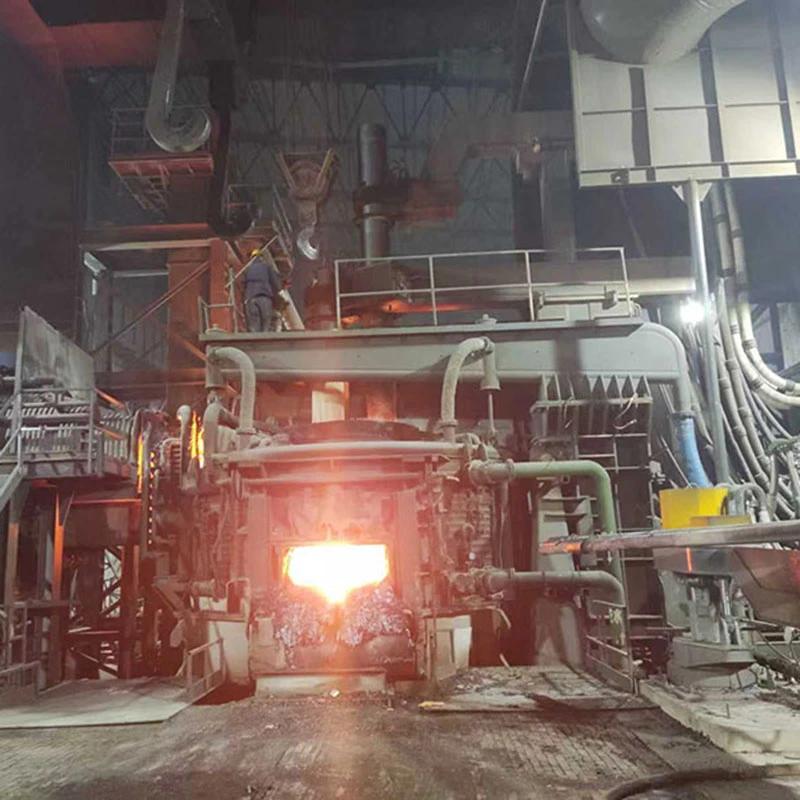
Electric Arc Furnace
Induction Melting System Process
Sequence: Induction Melting Furnace - Ladle Furnace – Continuous Casting Machine
The molten steel production process includes 3 stages: melting, processing, and casting. The process is designed according to requirements of the continuous steel casting line.
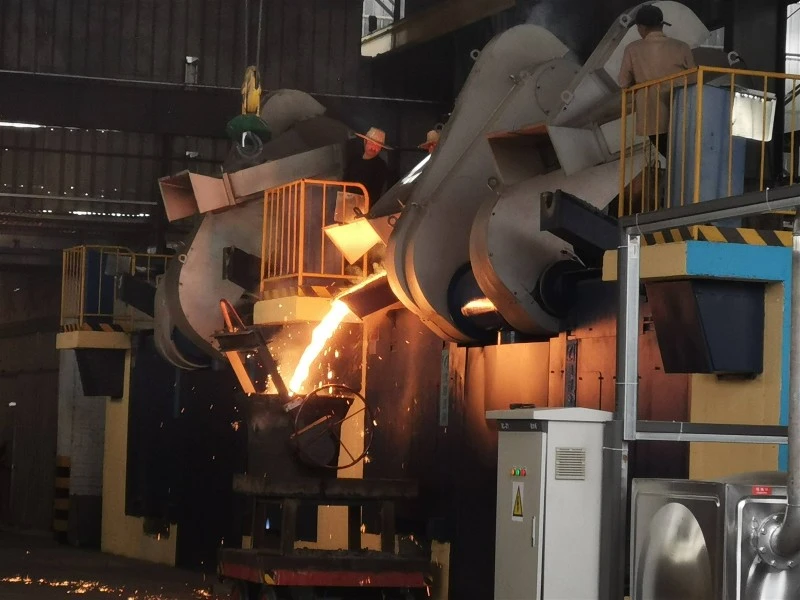
(1) Induction Melting Furnace
The main task of the melting furnace is to supply molten steel during 22 hours a day, based on a heat cycle of 40–60 minutes. The remaining 2 hours are used for maintenance of devices.
(2) Ladle Furnace and Continuous Casting Machine
Molten steel is transferred from the ladle through the tundish to provide a continuous supply to the casting line.
The 3–5 minutes for A ladle exchange occurs after every 40–60 minutes of casting.
During the period, the tundish retains sufficient molten steel to enable continuous casting of 30 heats.
The main maintenance is the replacement of the tundish, which takes 2 hours.
When producing electrical steel, extensive metallurgical processing is carried out in equipment such as ladle furnace, vacuum furnace, or converter.
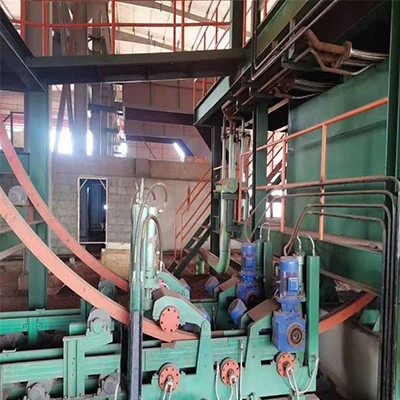
Our success case of 6 ton induction melting furnace
We have provided 6ton 3600kW induction melting furnace, including design, manufacturing, and installation. The 6 ton medium frequency induction furnace can meet the client's melting process requirements. Type: Parallel power supply system.
Specification of 6 t 3600kW Steel melting induction furnace
|
Parameter |
Specification |
|
Type |
Parallel (melting) |
|
Rated Capacity |
6 ton ( cast steel ) |
|
Model |
3600kW |
|
Maximum Capacity |
7.2 ton |
|
Equipment application |
Cast steel |
|
Lining Thickness |
90 mm – 110 mm |
|
Working Temperature |
1600°C |
|
Maximum Working Temperature |
1650°C |
|
Tilting Method |
Hydraulic push-rod type |
|
Maximum Tilting Angle |
95° |
|
Hydraulic Medium |
Wear-resistant hydraulic oil |
|
Hydraulic Station Capacity |
400 L |
|
Hydraulic Working Pressure |
8 – 12 MPa |
|
Furnace Body Structure |
Steel shell, open type, hydraulic tilting |
|
Furnace Cable Outlet Direction |
Rear / side outlet |
|
Power Supply Conversion Efficiency |
≥97.5% |
|
Melting Power Consumption |
520 – 580 kWh/t |
|
Melting Rate of 6t furnace |
6 t/h |
|
Electrical parameters of Medium-Frequency power supply |
|
|
Rectifier Module Power |
3600 kW |
|
Inverter Module Power |
3600 kW |
|
Power Supply Input Voltage |
6-phase / 750 V |
|
Medium-Frequency Voltage |
2400 V – 3000 V |
|
Power Factor |
≥0.95 |
|
Success Rate of Power Supply Startup |
100% |
|
Transformer Secondary Voltage |
750 V |
|
Transformer Capacity |
4500 kVA (12-pulse) |
|
Water Cooling system |
|
|
Cooling Water Flow Rate for cooling Furnace Body |
180 t/h (per furnace) |
|
Cooling Water Flow Rate for cooling Power Supply |
250 t/h ( for 3 power supplies) |
site for Success Case of 6 tons induction melting furnace
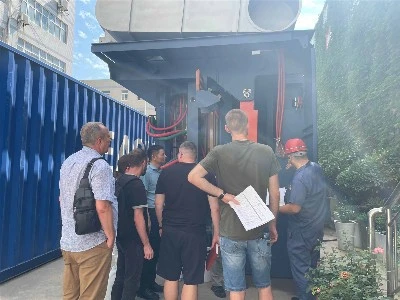
The customer is inspecting furnace at the factory.
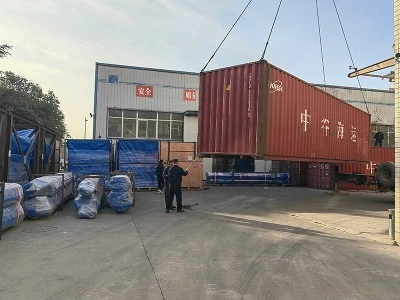
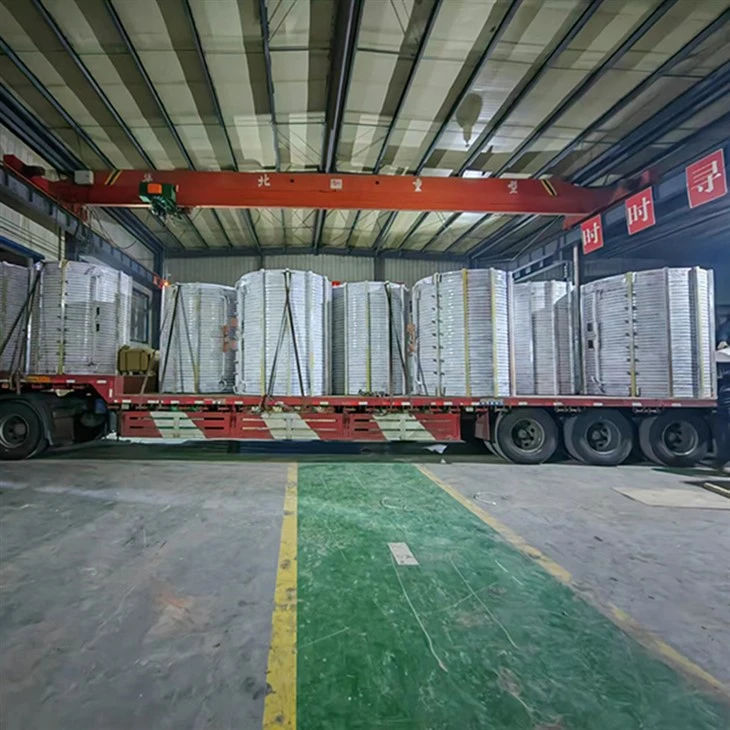
Product packaging and shipping
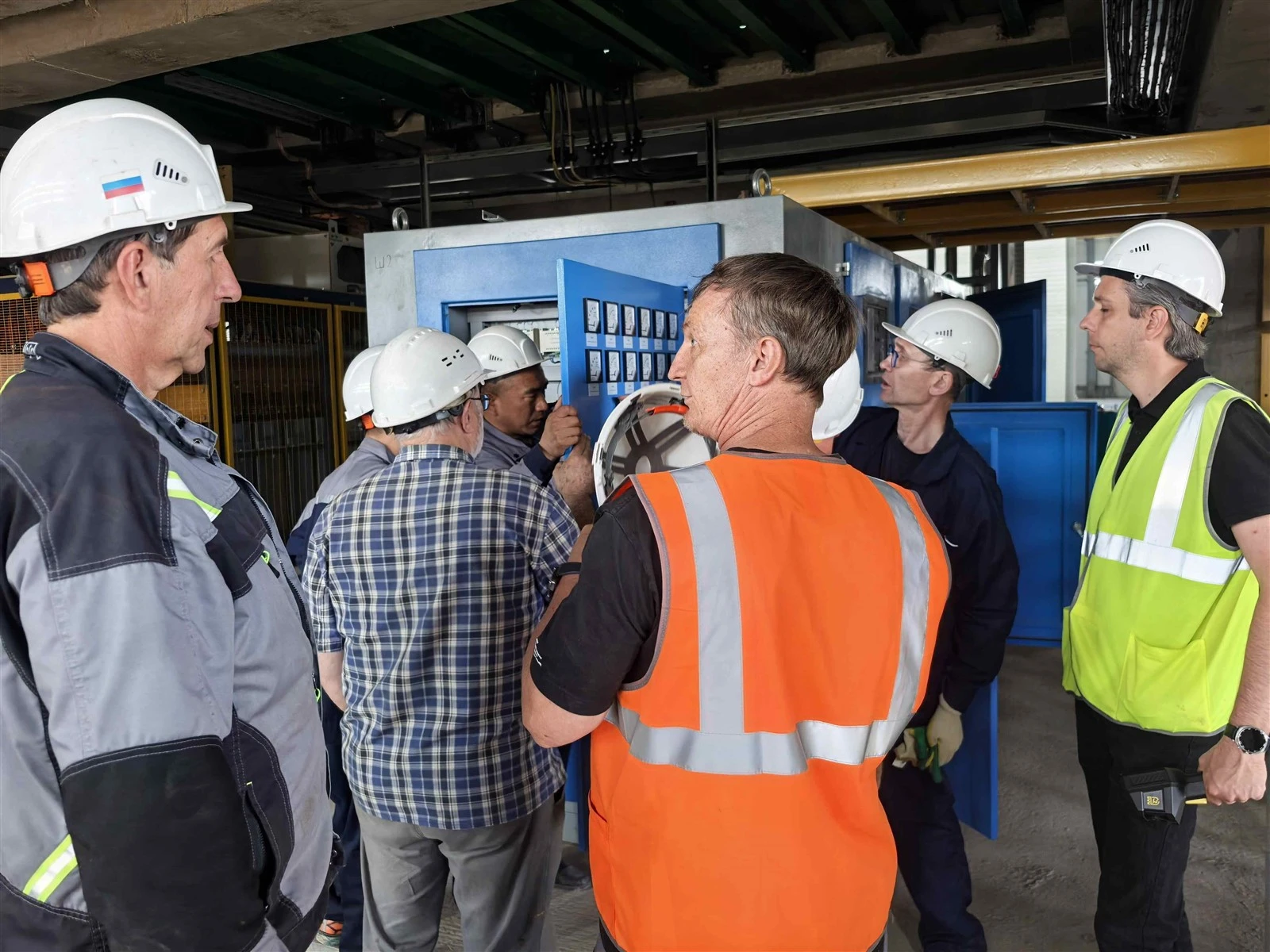
commissioning site
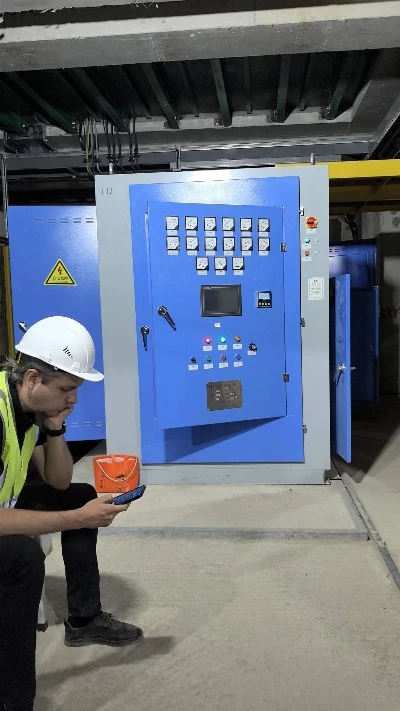
Installation site of power supply
Frequently Asked Questions
1. Can induction furnace melt cast iron scrap?
Yes. Induction furnace can melt cast iron scrap.
2. Can induction furnace be used to produce electrical steel?
Yes. Steel melting Induction furnace can be used to produce electrical steel.
3. What material is selected for the refractory lining of induction melting furnace?
Yes. The refractory lining is a dry ramming material based on Al₂O₃ and MgO that forms spinel.
4. What processing is required for the refractory lining?
Yes. The refractory lining need ramming and sintering process.
5. Can induction melting furnace produce structural steel for construction?
Yes. Induction melting furnace can produce structural steel for construction.
6. Can induction melting furnace produce alloy steel?
Yes. Induction melting furnace can produce alloy steel.
7. Can induction melting furnace produce stainless steel?
Yes. Induction melting furnace can produce stainless steel.
contact Us
Xi'an Aobang Technology Co., Ltd.
Alice Zhang
Title: International manager
Our address
Southwest corner of Boai Industrial Park, No. 268, Caotan 6th Road, Economical and Technological Development Zone, Xi'an city, Shaanxi Province, China.
Phone Number
0086-18710881451
alicezhang@xaabfurnace.com

Our furncace patents
A melting furnace apparatus for experimental use
An electromagnetic induction vacuum device for melting and alloying titanium-based alloys
A medium-frequency induction melting furnace with an integral furnace roof structure
A smoke exhaust and dust removal device for medium-frequency furnaces
A control system for series-connected melting furnaces
A dual-station medium-frequency induction quenching device for rolled steel
Our patents Certificates
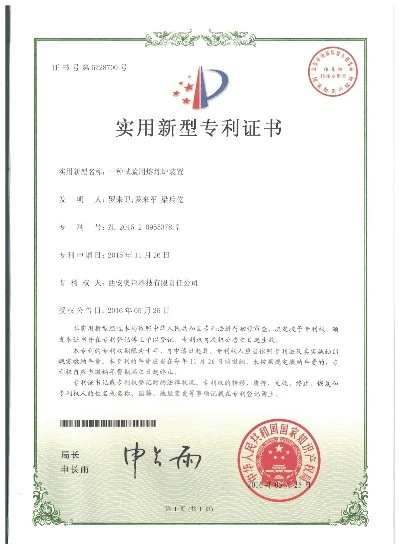
Patent Certificate for A Melting Furnace Apparatus for Experimental Use
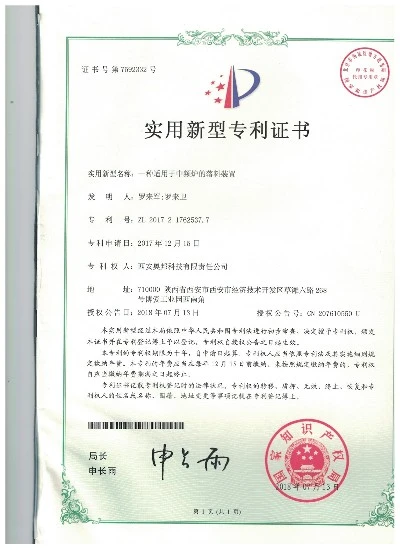
Patent Certificate for A Blank-Feeding Device for Medium-Frequency Furnaces
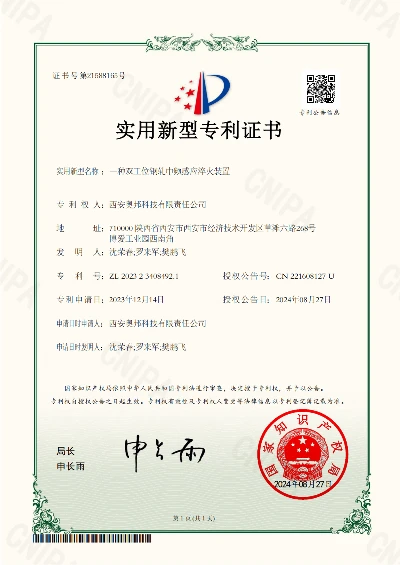
Patent Certificate for A Dual-Station Medium-Frequency Induction Heating/Tempering Device for Steel Rolling
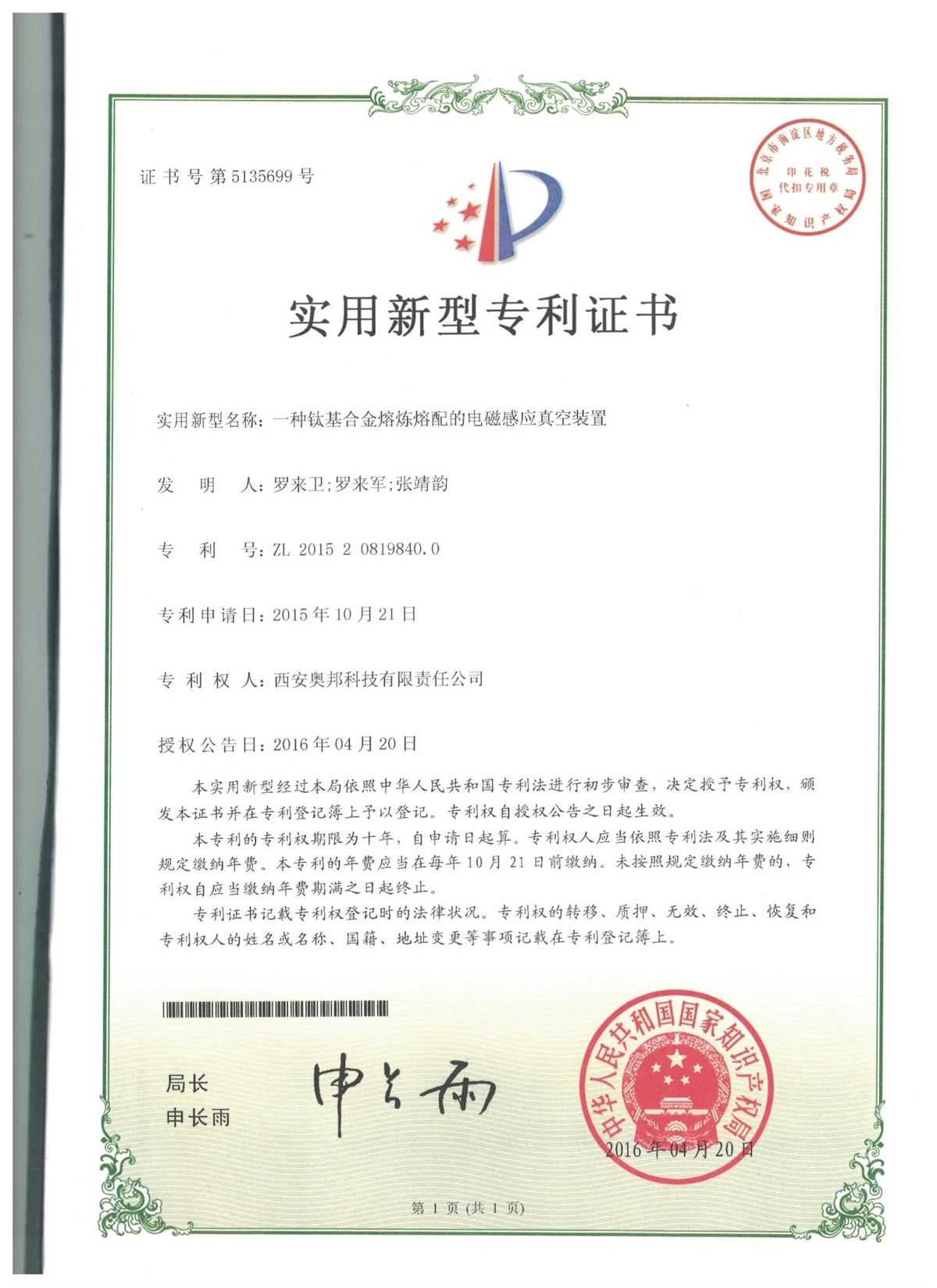
Patent Certificate for An Electromagnetic Induction Vacuum Apparatus for Melting and Alloying Titanium-Based Alloys
Hot Tags: steel melting induction furnace, China steel melting induction furnace manufacturers, suppliers, factory, Copper Smelting Furnace, Coreless Furnace, Coreless Induction Metal Melting Furnace, IF Furnace, Medium Frequency Induction Furnace, Metal Melting Induction Electric Furnace
Send Inquiry
